Anthropic's S-1 Was Written for a Jury, Not for You
The filing won't settle the AI-economics debate. It does something narrower and more durable: it converts a frontier lab's safety essays into legally actionable representations.
The World Times
The filing won't settle the AI-economics debate. It does something narrower and more durable: it converts a frontier lab's safety essays into legally actionable representations.
The Apricitas essay everyone is arguing about asks how much of the 200,000 creative jobs lost were AI's fault. The better question is who pays for the apprenticeship now that the floor is gone.
The bullion boom has turned the monthly trade deficit into a commodities tape — and the same agency that publishes the number quietly removes gold before it calculates GDP.
Tesla unveiled the Roadster on Oct. 15, took $50,000 deposits two weeks earlier, and quietly deleted the price from its website. That's the story.
Tesla's 23-minute Roadster reveal in Waco wasn't a product launch — it was the cheapest attention machine in the industry, and everyone mocking it is doing the marketing for free.
Tesla's thruster-powered Roadster hop isn't a flex — it's a halo car admitting, in public, that the thing it was built to sell has gone commoditized.
Thursday's Roadster reveal in Waco wasn't a product launch — it was a nine-year-old financing instrument finally being marked to market.
YouTube's July clarification of its 'inauthentic content' rules has nothing to do with AI and even less to do with viewers' taste — it's an ad-sales document, and 'off-putting' is the tell.
The viral “do dentists know what they're doing?” essay isn't about competence. Dentistry has no outcome data, so no one—not the dentist, not the market, not the board—can answer it.
California's discovery emails show brands like Levi's and Hanes asking rivals to raise prices — and the state's remedy only puts Amazon under a monitor.
Apple's $299 HomeView gets screwed into your hallway wall this November. The privacy pitch is the easy half; the promise nobody published is a decade of security patches.
Amazon and Google spent a decade building smart homes for one user. Apple's HomeView, unveiled today at $299, is the first product to admit a house is a plural noun.
Citroën's €15,000 electric 2CV is a 2028 promise on a bespoke platform built for a proposed EU rule — proof that cheap cars now have to be legislated, not engineered.
This weekend's front-page grief over lost technical detail sat one scroll above a tool for extracting detail and a deal to buy the layer above it. The mourning and the business model share a page.
The $445M Series D is being read as the cloud's comeuppance. The real story is that enterprise compute stopped being an operating expense — and that reprices everyone who rents their own cost of goods.
Pass Designer looks like a free developer convenience. It's a standard-setting move — and the companies it is about to eat are publishing roadmap notes that read like surrender documents.
Pass Designer hit Hacker News this week as a developer convenience. It's actually Apple admitting the Wallet pass is advertising inventory — with the terms of the deal paying for it.
OpenAI's Sites shipped Sept. 29 to enterprise plans only — the real story isn't enclosure of the open web, it's a bottom-up takeover of the corporate document layer.
The entry-level developer collapse isn't an AI displacement story. It's a reallocation story — and the October HN résumé thread is the receipt.
The dinner party didn't die of loneliness or phones. It died because one person at the table had no exit, no wage, and all the risk.
Wine demand didn't fall because young people stopped drinking. It fell because vineyards are a permanent, leveraged asset — and the loudest mourners are the ones cashing in.
This week's Hacker News front-runner about being owed a billion dollars in Nvidia stock is the most honest description of the AI trade — and both camps arguing over it missed the verb.
The viral complaint that Google lost its way misses the story: years of demands that search 'take responsibility' produced the opinionated answer engine we now can't stand.
Zero ASML sales in its home region is being read as a verdict on European industrial policy. It's actually a question nobody has bothered to ask — and the answer implicates the right's reshoring enthusiasm.
Toyota's electric Corolla isn't a concession or a victory lap — it's the bill arriving for a decade of deferral, payable on the cheapest, thinnest-margin car the company sells.
Meta's camera-free $349 glasses are being read as a privacy win. The $1,299 pair shipping with eye-tracking says otherwise.
AWS's admission it can't restore data in Bahrain or one UAE zone shows resilience was sold as architecture when it was always geography — and the act-of-war carve-out leaves the bill with the customer.
Port Moresby just negotiated 25% equity and a $1.95 billion clawback on Papua LNG. That isn't state-building — and the 'pre-contact' romance is what sells the alibi.
T-Mobile's new $5 monthly charge for iOS 27's iPhone Handoff isn't really a pricing story. It's a disclosure story, and the company that stayed quiet about it was Apple.
The September Hacker News hobby thread and Y Combinator's September Demo Day look like two ends of one pipeline. They're two different labor markets — and the hobbyists are downstream of the money, not the seed corn of it.
The September Ask HN thread is a lovely inventory of handmade software built for humans — in a web whose first reader is now a model deciding what to quote.
Google's June 12 expansion of Limited Ad Serving to Search doesn't catch scam ads — it quietly builds a private, unappealable reputation score for every advertiser.
Apple's first foldable drops Face ID for Touch ID — a $1,999 admission that its design dogma was never about you.
Apple priced its first foldable below analyst expectations — a signal that it's building a market, not harvesting one.
Apple's $1,999 foldable isn't a catch-up play against Samsung. It's a bet that the next decade of phones is about shrinking, not expanding — and an admission that the Pro Max got too big.
Apple's first foldable quietly resurrects Touch ID — and in doing so, admits Face ID was a dead end for anything but a flat slab.
Apple's first foldable isn't a new product category — it's a new price tier, and that tells you everything about where the smartphone is headed.
Apple's $2,000 foldable isn't a bold bet on the future — it's a quiet admission that the mass-market iPhone is over.
Meta's new AI agent is being read as a commerce play. The $20 and $100 subscription tiers are the real strategic shift — and a back door into the enterprise.
The record round isn't a bet on European AI sovereignty or open weights — it's a bet that Mistral can become a different kind of company.
The cease-and-desist didn't fail because the internet is ungovernable. It failed because X spent years making anonymous reading impossible — and the market built a door.
DNB's 86-tonne gold transfer to London looks like a geopolitical vote of no confidence. It's actually something more interesting: central banks are turning gold into working capital.
The Playa Phone's 2,000 annual calls prove the pay phone didn't die of obsolescence — it died of a business model.
Nvidia's $12.9 billion Hugging Face deal isn't a bet on revenue — it's a bet on a community that can walk away the moment the 'Switzerland of AI' stops being neutral.
The M5 Ultra Mac Studio isn't a creative pro tool anymore — it's a direct challenge to Nvidia's AI workstation dominance, and the cloud providers should be paying attention.
The M6 debuts in a $899 Mac mini while the 'most powerful' Mac Studio runs an older-generation M5 Ultra. Apple's silicon story just stopped being simple.
The M6 Mac mini at $899 is Apple's real flagship. The $5,499 M5 Ultra is a cash cow for a shrinking niche.
This week's viral Xiaomi benchmark post claims a year-old chip matches Apple. The actual numbers say otherwise — and that's the real story.
Casio's new F-B100W looks like the iconic F-91W but adds Bluetooth and step tracking — and the people celebrating it as a rejection of smartwatches are misreading what they bought.
Casio's F-B100W adds Bluetooth and step tracking to the iconic F-91W. But the F-91W's defining feature was its refusal to connect — and that's not a feature Casio can upgrade away.
Stripe's $7 billion OpenRouter deal isn't a payments play — it's the purchase of the largest US distribution channel for Chinese AI models.
A viral founder essay claims ambition and fatherhood can coexist. The essay itself proves otherwise — it can't stop optimizing long enough to notice.
Seth Godin says Amazon's search ads are 'legal theft.' The FTC is circling. Both miss the point: Amazon isn't a monopolist in a market — it's a sovereign running a private tax system.
Seth Godin's 'Amazon tax' post gets the symptom right but the disease wrong — Amazon stopped being a store years ago, and the ad is now the entire product.
The 'Amazon tax' isn't a tax on customers — it's the end of a 25-year subsidy, and the bill is landing on the sellers who thought Amazon was their partner.
The Oxiis conversion kit isn't a gadget — it's a verdict on the e-bike startup graveyard.
Dmitry Grinberg's viral critique of RISC-V isn't a threat to the open ISA — it's the first honest conversation the ecosystem has had about its own tradeoffs.
The cheers greeting Monday's ChatGPT desktop app for Linux miss the point. This isn't about open-source goodwill; it's about the Fortune 500 CIO who needed a .deb package to sign off on a 10,000-seat Codex deployment.
Monday.com's 620 layoffs were billed as an AI restructuring. But the cuts landed on PMs, marketers, and ops staff — not engineers. The panic about AI gutting mid-level coding jobs is missing the real story.
A Berlin engineer's blog post about replacing a VPS with a rooted Android phone isn't a quirky DIY story — it's a market signal that the cloud industry has abandoned the individual developer.
Fastmail's new Amsterdam data center isn't a story of regulatory burden—it's a story of how data sovereignty rules are quietly lowering barriers to entry against the Gmail-Outlook duopoly.
Last week’s cuts at Meta aren’t a crisis of morale—they’re the overdue end of a story the industry told itself about merit and meaning.
A pseudonymous blogger's viral claim that cooking a steak requires 'almost no skill' isn't really about meat—it's a small but telling revolt against the industries that profit by making simple things seem hard.
A website called Discovery Loop hit the top of Hacker News on Thursday. The fact that a discovery tool needed a viral launch to be found tells you everything about why the internet’s discovery problem can’t be fixed by startups.
Demis Hassabis just got a promotion that looks like a victory lap. It's the oldest trick in the corporate playbook, and everyone who's watched a founder get 'elevated' knows how this ends.
Waymo dropped its Dallas waitlist this week to fanfare. But 150,000 riders in a metro of 7.8 million tells a quieter story about how the driverless revolution actually arrives — one painstaking block at a time.
Waymo opened its Dallas robotaxi service to the public yesterday — minus the airport and every major highway. In America's most freeway-dependent city, that's not a launch. It's a demo.
A new report reveals 38,000 TV boxes running a $50,000/day ad fraud scheme. The real scandal: the digital ad industry treats this as normal.
The whole-body intelligence is a marvel, but the tiered-access strategy behind Gemini Robotics 2 reveals a familiar playbook: own the platform, own the future.
Substack's February security breach wasn't a glitch — it was a reminder that the platform is a publisher, not a utility, and your subscriber list was never really yours.
The real story isn't that Apple wants to rent you a phone. It's that a staid regional bank got quietly shown the door in favor of a Swedish fintech that structures consumer debt as a lease — and nobody seems to care why.
Anthropic's refusal to sign Nvidia's open-weights letter looks like a safety stand. It's actually the clearest investor-relations document the company has produced yet.
A new SIEPR policy brief urges us to separate AI hype from reality in the job market. But with 120,000 tech workers laid off this year in cuts explicitly tied to AI, the distinction is cold comfort to the people actually getting the calls.
Ben Thompson says the frontier labs will be fine. He's right — but the panic he's responding to reveals a deeper vulnerability that has nothing to do with geopolitics.
Moonshot's Kimi K3 and Vercel's latest production data show open-weights models are commoditizing frontier AI faster than anyone priced in. The real story isn't geopolitical — it's that the API business model is collapsing.
A hacker replaced a $120k bowling system with $1,600 in microcontrollers and Hacker News cheered. The applause missed the real cost entirely.
The going-concern warning that may doom GoPro wasn't caused by smartphones or a failure to innovate — it was triggered by a 115% spike in memory chip prices, a supply-chain shock no amount of product excellence could survive.
A billing error at AWS produced estimated charges of $1.7 billion this week. The real story isn't the software bug — it's that we've let cloud providers attain utility-scale power without utility-scale obligations.
The viral nostalgia for LimeWire and Oink isn't about free music — it's about the collapse of the enthusiast middle that streaming absorbed, automated, and then priced out.
The market cheered Wednesday's offer, but the deal's true obstacle isn't antitrust — it's the 50-state money transmitter licensing regime that no amount of engineering talent can refactor.
A three-year-old sleep study just lit up Hacker News. The real story isn't the science — it's the quiet expansion of employer wellness programs that now want to track your bedtime.
The Solar Sharer mandate isn't a government giveaway — it's a forced pass-through of a market reality retailers have been quietly pocketing for years.
Friday's trade-secret suit reveals less about stolen blueprints than about Apple's fear of a competitor that now threatens its core business.
The 100,000-satellite Gen3 application is not a consumer play — it's a bid to carry the majority of the world's internet traffic through infrastructure one company controls, and the regulatory conversation hasn't caught up.
Monday's gutting of id Software isn't a story about engine technology — it's a story about Microsoft betting that the durable asset isn't code, but a back catalog of shooters it can remaster forever.
Microsoft's 4,800 layoffs, concentrated in Xbox, signal not a retreat from gaming but a cold recalibration of what big tech actually needs to pay for — and the industry's long romance with creative bench strength is what's really getting cut.
Monday's Xbox layoffs are being read as a failure of the $68.7 billion Activision deal. The real story is buried in CEO Asha Sharma's memo: the division was losing 64 cents on every dollar it spent making games — and nobody noticed until the CFO made them count.
Asha Sharma's 100-day reset memo is being read as a cost-cutting exercise, but the language reveals something more consequential: Microsoft has quietly conceded the console war and is rebranding retreat as realism.
Microsoft's memo admitting a half-billion-dollar revenue decline reveals a business model that never made sense — and a customer who was never going to pay full freight.
Meta's CEO told staff last week that a massive AI restructuring hasn't paid off. The problem isn't the technology — it's a management doctrine that thinks you can reorganize your way to invention.
Mike Bowler's viral blog post blames CO2 for bad meetings. But the real cognitive impairment in conference rooms isn't ambient carbon dioxide — it's ambient middle management.
Fretting over indoor CO2 levels is the latest performance of workplace virtue — an expensive distraction from the real bottleneck: management.
The warehouse club's tariff refund pledge isn't a story about corporate kindness — it's a lesson in what happens when a retailer actually needs its customers more than its customers need it.
The membership-fee surge everyone's celebrating is the tell: Costco's real product was never the rotisserie chicken. It's the recurring charge on your credit card.
The internet spent yesterday re-litigating whether CarPlay is useful. The real question isn't what CarPlay adds to your dashboard — it's what automakers subtracted from the relationship the moment they decided your car was a subscription platform, not a product.
Casey Liss is right that CarPlay is additive, but the dashboard fight between Apple and automakers misses the real loser: anyone who still thinks they'll own the car they drive.
The monthly "Who Wants to Be Hired" post on Hacker News isn't a job board — it's a raw, unfiltered census of a profession that spent a decade believing in its own exceptionalism and is now learning what every other industry already knew.
Sony's July 1 announcement ending physical disc production isn't about ownership — it's about killing the one pricing mechanism that actually kept new games affordable.
The 12% jump in UHD Blu-ray sales isn't a populist revolt against streaming — it's the format turning into what vinyl became: a luxury category for the people who can afford to opt out.
Thursday's sub-1-nanometer announcement is a marvel of American research. But the fact that IBM will never build it at scale says more about the semiconductor industry than the transistor count ever could.
Apple’s price hikes aren't about inflation or corporate greed. They're the moment the AI industry's insatiable hunger for memory chips landed on the checkout page for everyone else.
Nvidia's 45°C liquid cooling design solves the water problem critics have been shouting about. But that upgrade cycle also threatens to make every complaint about last-generation infrastructure obsolete — and the complainers won't go quietly.
Anthropic's letter to the Senate Banking Committee accuses Alibaba of a massive distillation attack — but the 25,000 fake accounts that slipped through its defenses tell a story the company would rather Congress not ask about.
Building a custom inference ASIC while still burning billions on Nvidia's training GPUs isn't independence — it's a bet that the real bottleneck will be serving models, not building them. And that bet has a silent winner: Broadcom.
Bunny.net's decision to make its DNS free isn't an act of generosity — it's a belated acknowledgment that the routing wars ended years ago, and Cloudflare won.
A viral blog post about Germany's punishing company-formation process drew outrage from exactly the people who design far more elaborate bureaucratic mazes for everyone else.
The March 2026 joint interpretation was supposed to end regulatory chaos. Instead, it created a regime where compliance is so clarity-heavy that only the richest projects can afford to play.
Employers demanding test scores from decades ago aren't being rigorous — they're confessing that every other hiring signal has been debased into meaninglessness.
The Steam Machine's real competition isn't the PlayStation or Xbox — it's the platform-lock ecosystems that console makers have spent two decades perfecting, and Valve just handed players the keys out.
A viral blog post has engineers confessing their jobs were fraud. But the auditors, board members, and law firms paid to spot the rot are mysteriously silent.
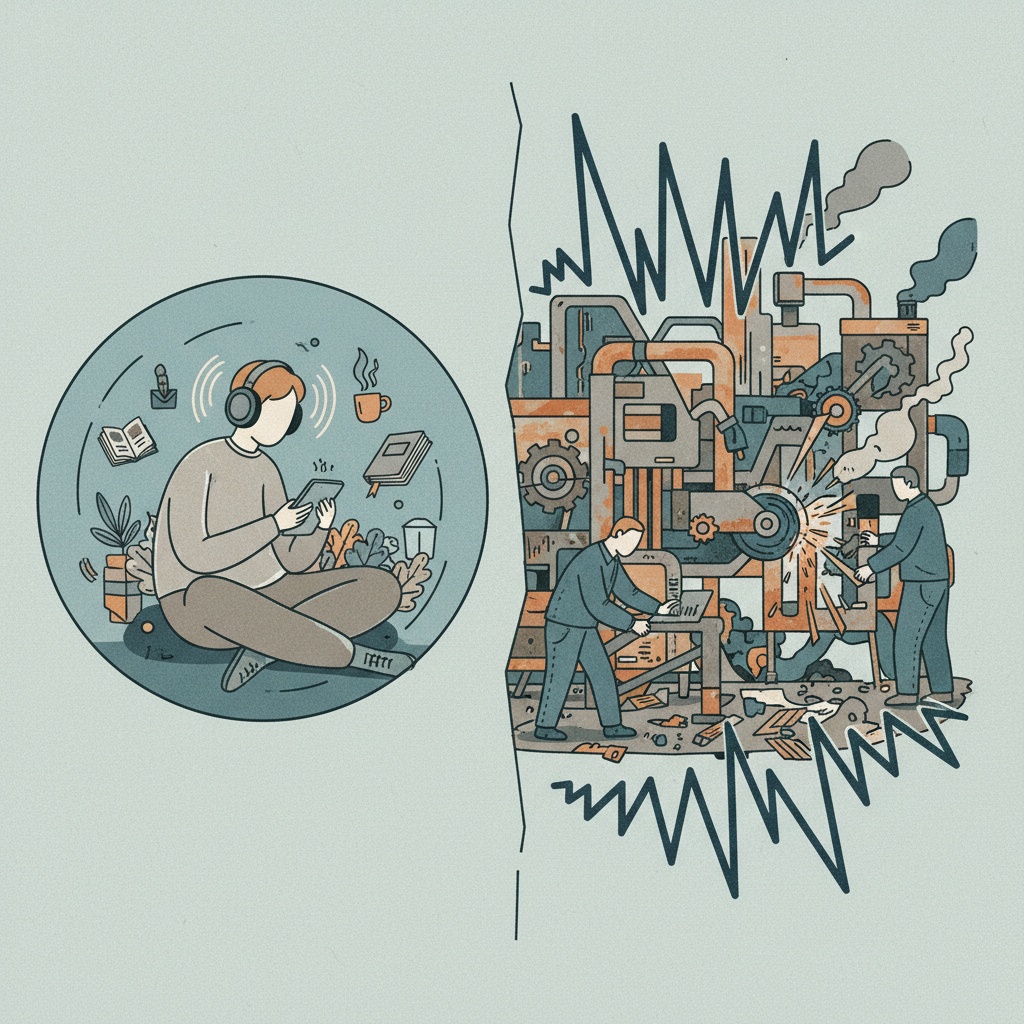
The viral essay diagnosing social atomization through earbuds misses the real story: the people who can't afford to tune out are the ones who are actually trapped in noise.
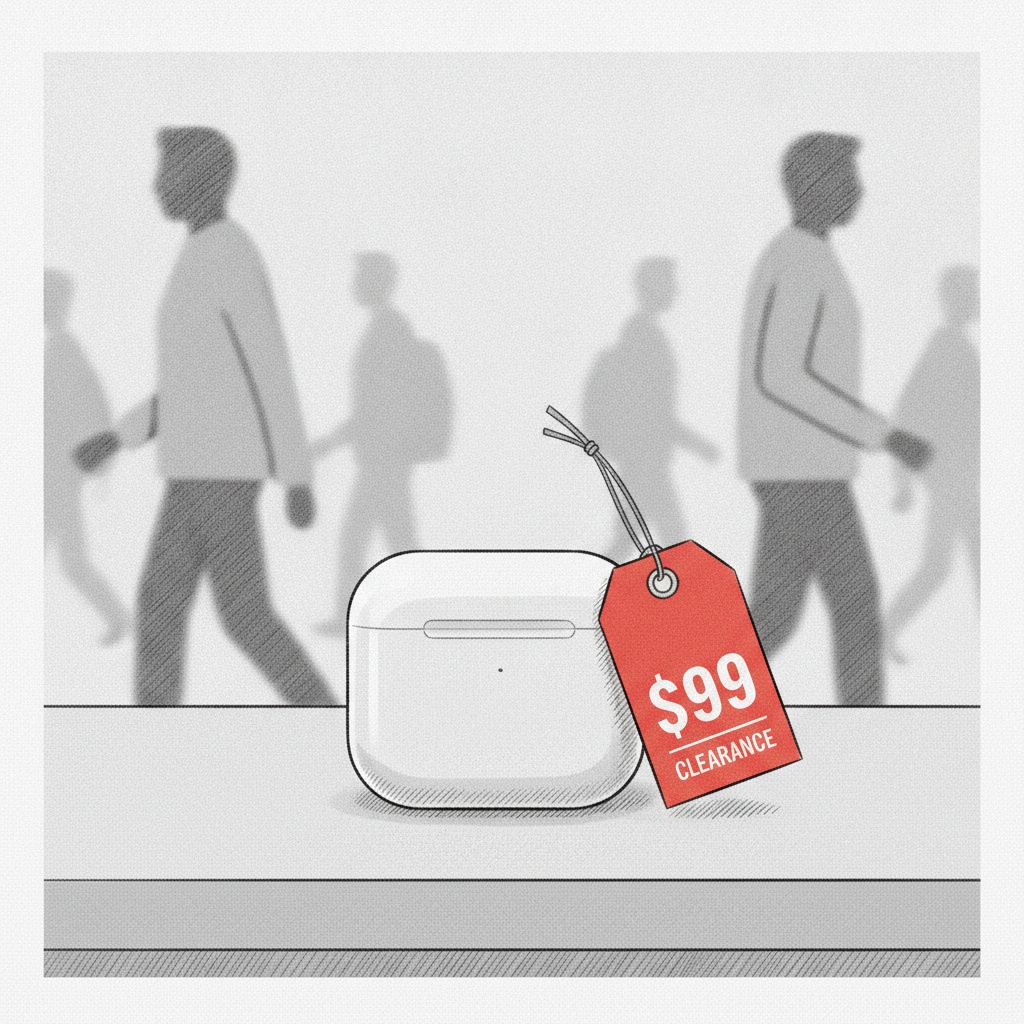
While the newsletter class frets about what earbuds are doing to our souls, the actual story is the price collapse that made tuning out the world everyone's prerogative.
Ubiquiti's new 16-bay Enterprise NAS is a capable box at a fair price. But the announcement everyone is cheering reveals something more interesting: what a genuine no-subscription strategy does to the rest of the enterprise storage market.
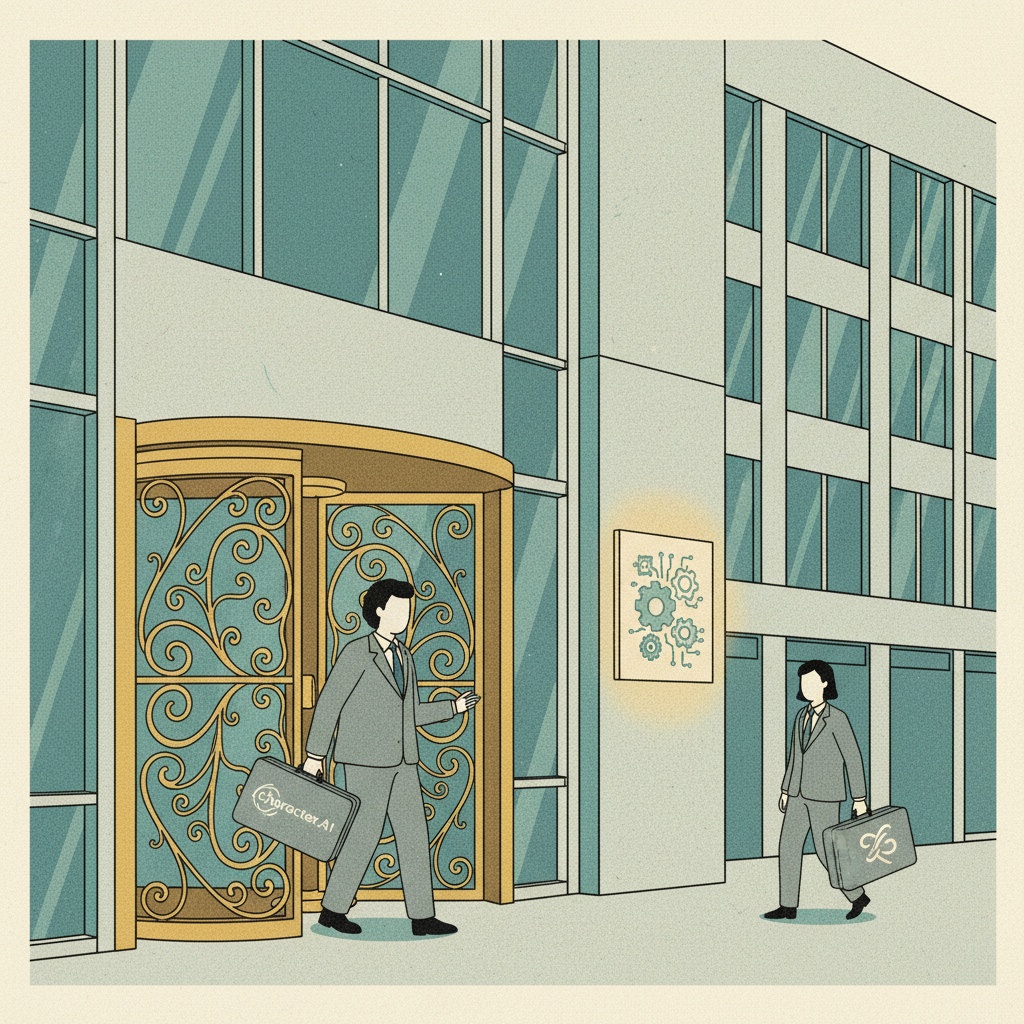
The Character.AI licensing deal was structured to avoid antitrust review — and in doing so, it was structured to let the crown jewel leave whenever he pleased.
The AI company's full-body ultrasound pivot looks like a hardware moonshot. The real story is what it says about who gets to bill for your body data.
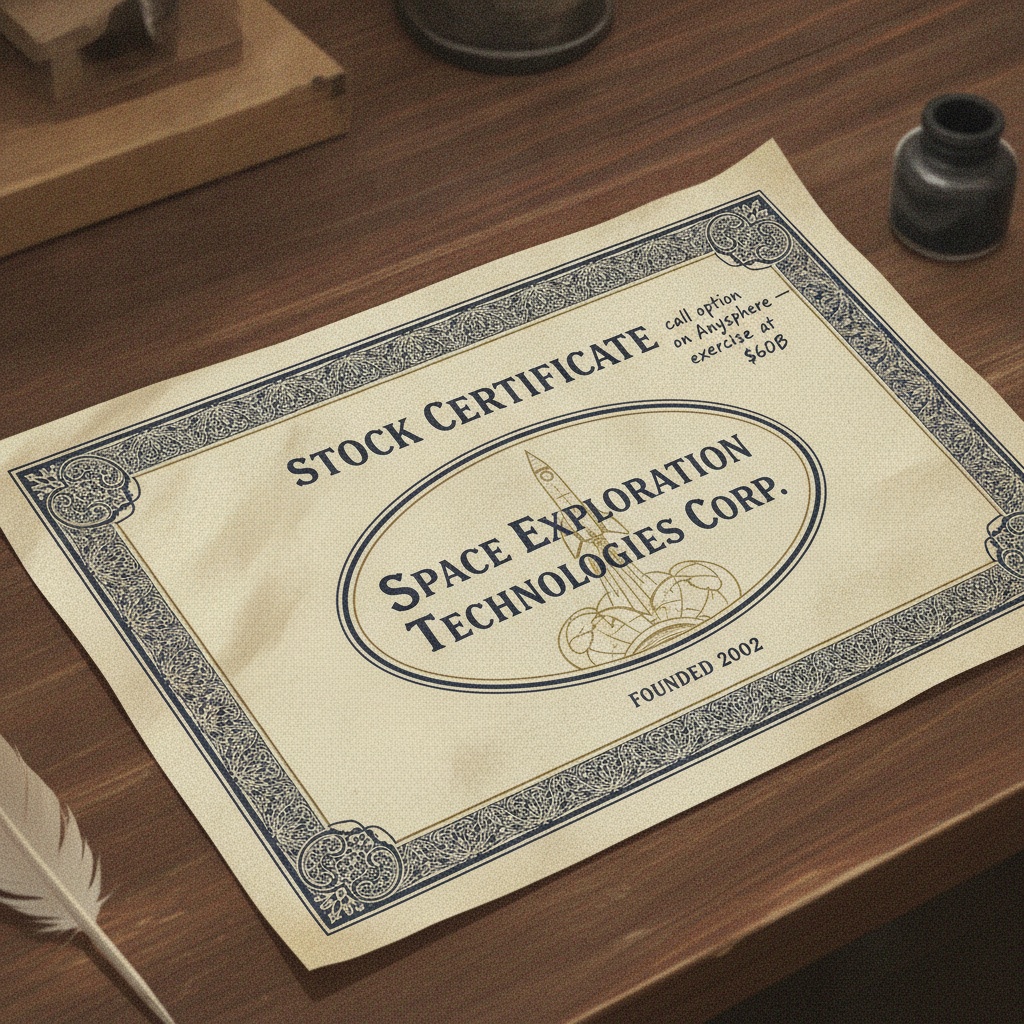
The $60 billion price tag on the SpaceX-Anysphere deal isn't the result of a bidding war — it's the strike price on a pre-IPO option contract that nobody bothered to scrutinize until the exercise notice landed.
Four days after its IPO, SpaceX is using freshly minted shares to buy Cursor. The deal isn't about AI coding — it's about what a $2 trillion multiple lets you consume on Day Five.
The $60 billion Anysphere deal isn't about helping engineers write better code. It's about owning the pipeline that determines which code gets written at all.
The outrage over Hetzner's cloud price adjustment misses a simpler truth: someone was always paying the difference, and now it's the customer who demanded the service.
The German bare-metal darling just raised prices on Monday—not because RAM got expensive, but because the decade-long race to acquire developers with below-cost infrastructure has finally hit its rational endpoint.
His new essay argues billion-dollar fortunes are earned by making something people love. By that standard, most billionaires flunk.
The $29.99 Premier tier isn't really about cash back or cancellations — it's about who gets to skip the queue when a city hasn't yet said yes to everyone. That's not a perk. That's a toll.
The hand-wringing over Pokémon Go scans feeding military drone navigation misses a simpler reality: Niantic told us years ago that its real product was a planetary-scale map, and nobody wanted to hear it.
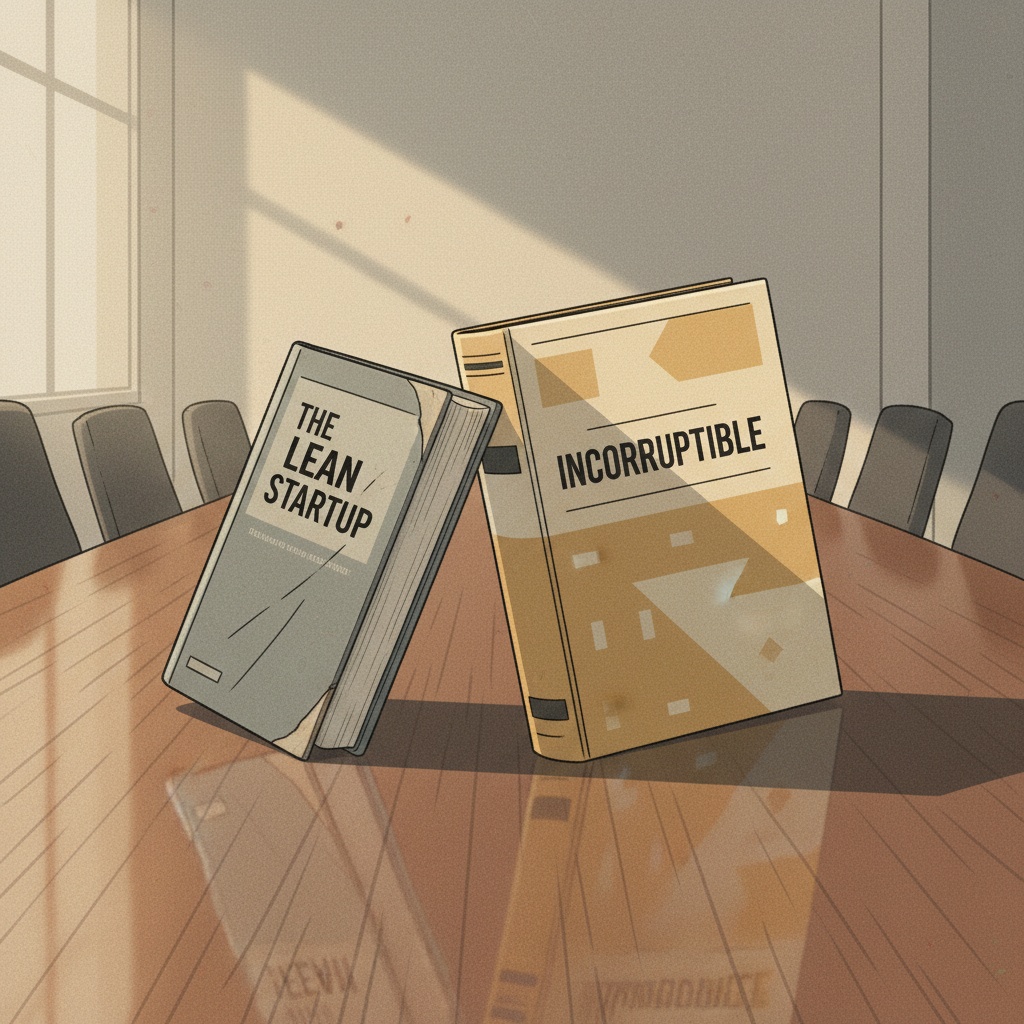
Eric Ries's new book warns that good companies structurally go bad. But the lean methods he championed did more to hollow out long-horizon R&D than any shareholder activist ever could.
Eric Ries's new book blames corporate decay on systemic rot, not bad apples. But the lean gospel he spread fifteen years ago taught a generation of founders to treat institutional guardrails as bloat.
WWDC 2026 brought the Siri overhaul Apple promised two years ago, but the unveiling says less about AI than it does about what happens when a company's institutional patience finally exceeds its CEO's tenure.
The S&P 500's refusal to fast-track megacap IPOs isn't a snub to innovation — it's a rare institutional check on the cult of founder exceptionalism that keeps getting investors burned.
The company's new tracking pause button tacitly admits that everything else it collects is surveillance, not security.
The Gmail exodus isn't about AI or privacy. It's what happens when a product team stops asking what users want and starts asking what the engagement metrics will bear.
When a VC-backed AI startup uses a top-tier law firm to silence criticism from an open-source hardware pioneer, the quietest signal is what it says about who actually owns the innovation.
The question isn't whether the stock market can swallow SpaceX, OpenAI, and Anthropic. It's whether retail investors understand they're being served a plate with a trapdoor underneath.
The company that promised to build AI carefully is now asking public markets to value caution at nearly a trillion dollars—without ever proving caution pays.
A 16-year-old's prank turned a transatlantic 767 around mid-flight. The security response wasn't the failure — it's the refusal to ask what a four-hour detour actually costs, and who pays for it.
The outrage over Microsoft converting perpetual Office for Mac licenses to read-only mode misses the real story: the consumer fantasy of owning software died years ago, and we all watched it happen.
Owen McGrann's viral essay gets the diagnosis right — but misses who wins when expertise becomes scarce.
The viral essay diagnosing an economy run by machines for machines is brilliant and bracing — but its fatalism is a gift to the very people building that world.
Owen McGrann's viral essay diagnoses a structural contradiction in AI economics — but its most unsettling implication is for investors, not policymakers.
A $200,000 Lego dispute is going viral not because the facts are extraordinary, but because the ordinary legal infrastructure middle-class people once relied on has quietly disappeared.
Claude Opus 4.8 arrived with the same $5/$25 per-million-token pricing as its predecessor. The flat price isn't charity — it's a signal that the AI arms race has entered its margin-compression phase, and someone's going to blink.
A viral blog post asking for Fridays off in the age of AI productivity misses the real story: the dividend is already being claimed — just not by workers.
Houston's exit isn't a failure of leadership — it's what happens when your core product becomes a free feature in someone else's bundle. The real question is why we keep mistaking commodity squeezes for managerial crises.
By labeling Polymarket and Kalshi as unlicensed gambling, Spain has perversely told the prediction market industry exactly what it needs to do to become legitimate — if it's willing to pay the price.
While everyone fixates on mortgage rates, the silent engine of unaffordability is local government's insatiable appetite for property-tax revenue. The real cost of owning a home is the one your city council votes on.
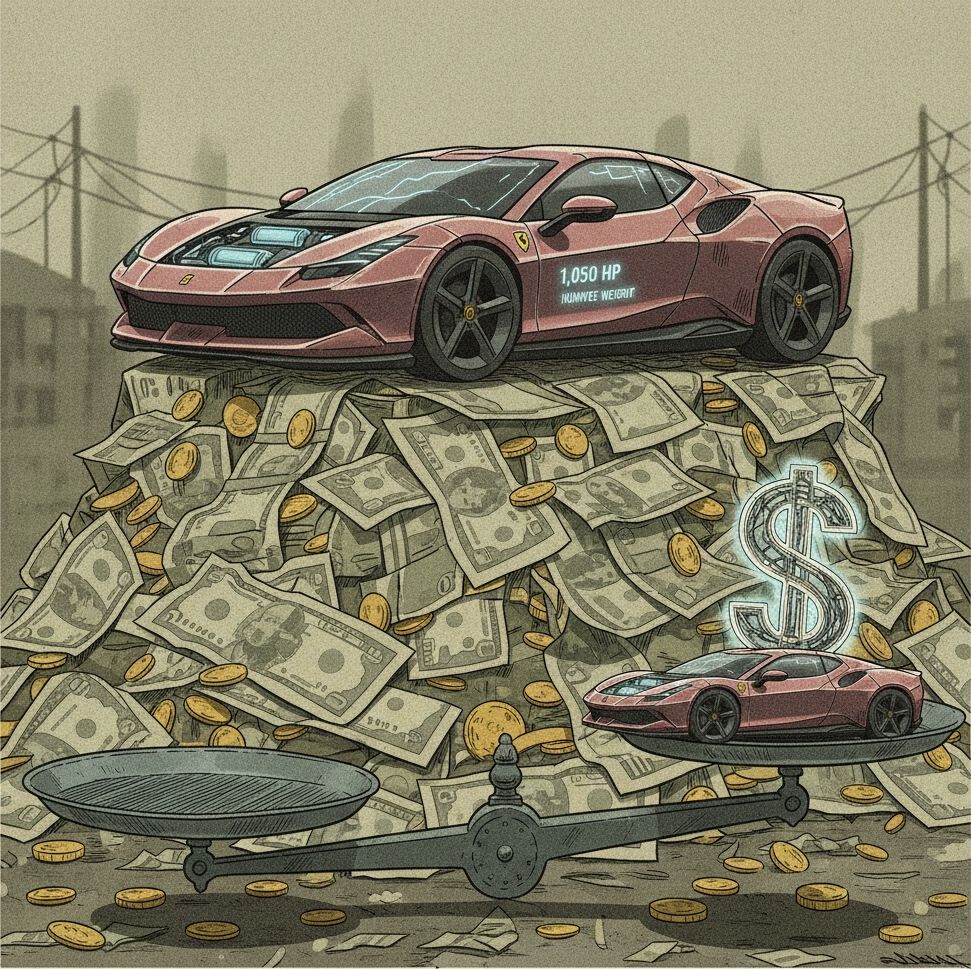
Ferrari unveiled the all-electric Luce in Rome on Monday. The spec sheet is shocking—four motors, 2,260 kg, and a £500,000 starting price. But the real story isn't the technology. It's what the price says about the EV transition.
A Goldman Sachs report projecting a $30 billion HBM market by 2026 reveals the real story: Nvidia may design the brains of AI, but Samsung, SK Hynix, and Micron now hold the keys to the kingdom.
The viral obsession with meticulously photographed home-office rigs isn't about productivity — it's about workers who know the remote-work party is ending and are desperately accessorizing the last thing they control.
The Starship V3 test flight was a mixed technical success. But the real story is SpaceX filing its IPO prospectus in the same seven-day window — and what that says about who will actually bear the risk of interplanetary ambition.
Everyone's marveling at why Japanese companies do everything. The more interesting question is why, after decades of stasis, they're finally being forced to stop.