Ladybird Didn't Betray Open Source. It Grew Up.

The uproar over Ladybird restricting code contributions to maintainers misses the point: some software is too dangerous to crowdsource.
The uproar over Ladybird restricting code contributions to maintainers misses the point: some software is too dangerous to crowdsource.
The viral hand-wringing over AI-assisted cheating at Berkeley misses what students already know: the jobs those math skills led to are disappearing faster than the curriculum can adapt.
Gemma 4 12B runs locally on a consumer laptop. That's great — and it tells you exactly what Google spent the last three years doing to the other models.
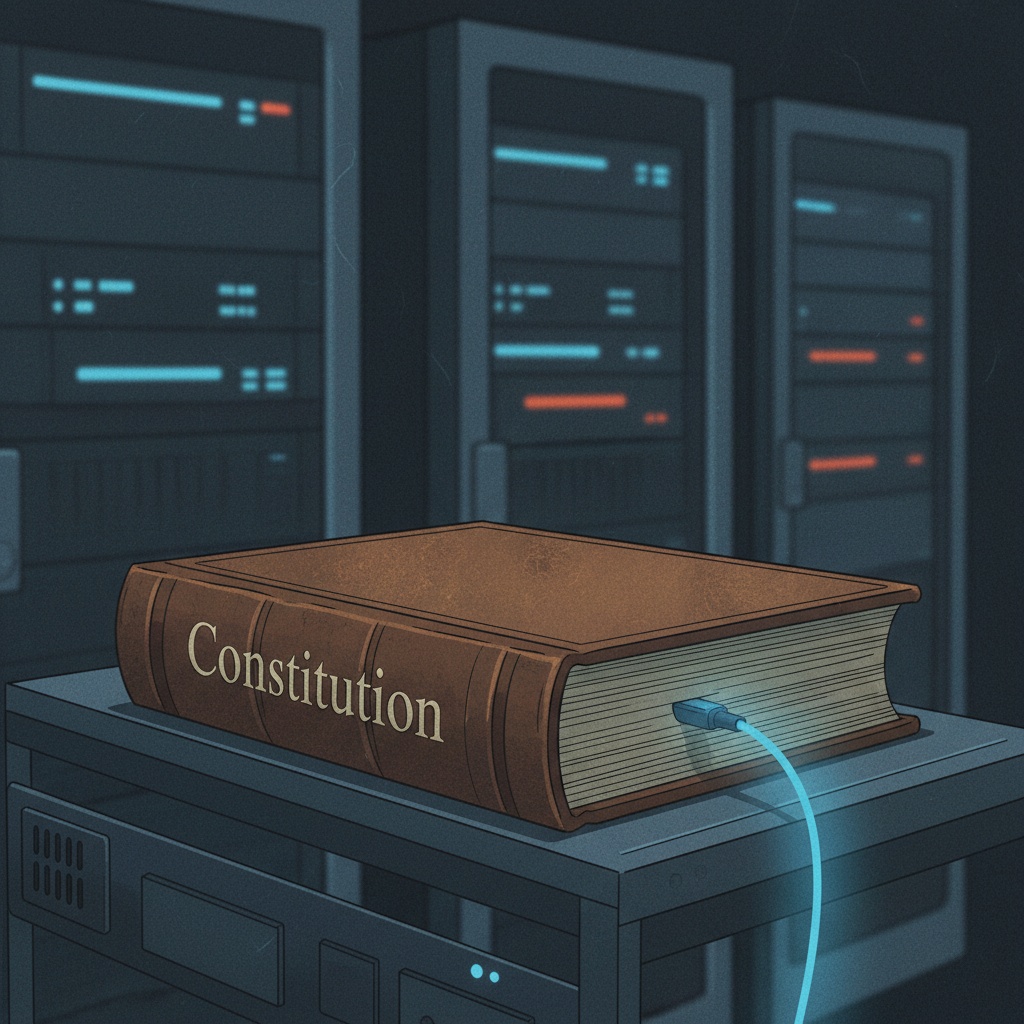
Ted Chiang is right that Claude isn't conscious. But the real story isn't the model's inner life — it's the worldview its creators are quietly encoding into a document they insist the AI should read as scripture.
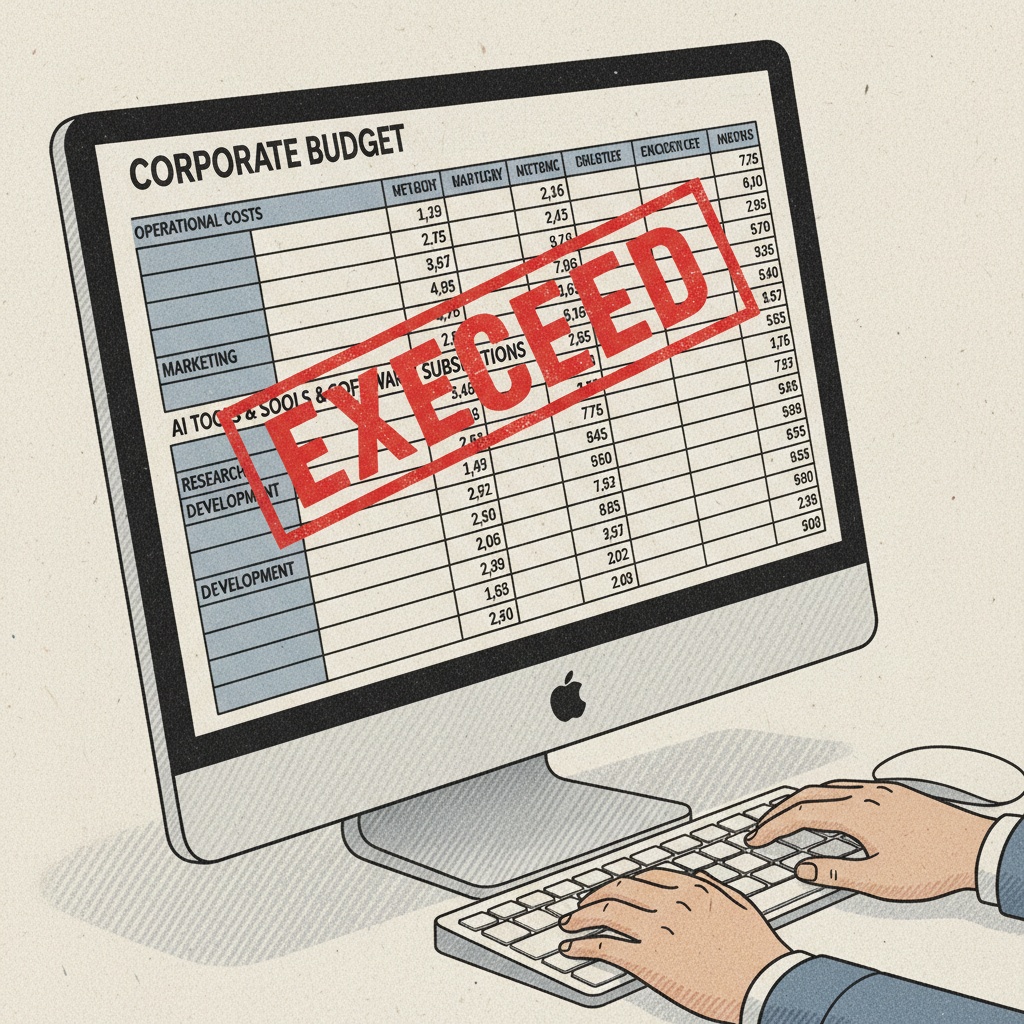
Uber burning through its annual AI coding budget in four months isn't a failure of cost control. It's a signal that the pricing model for AI coding tools has inverted the economics of labor and capital in ways nobody is ready to name.
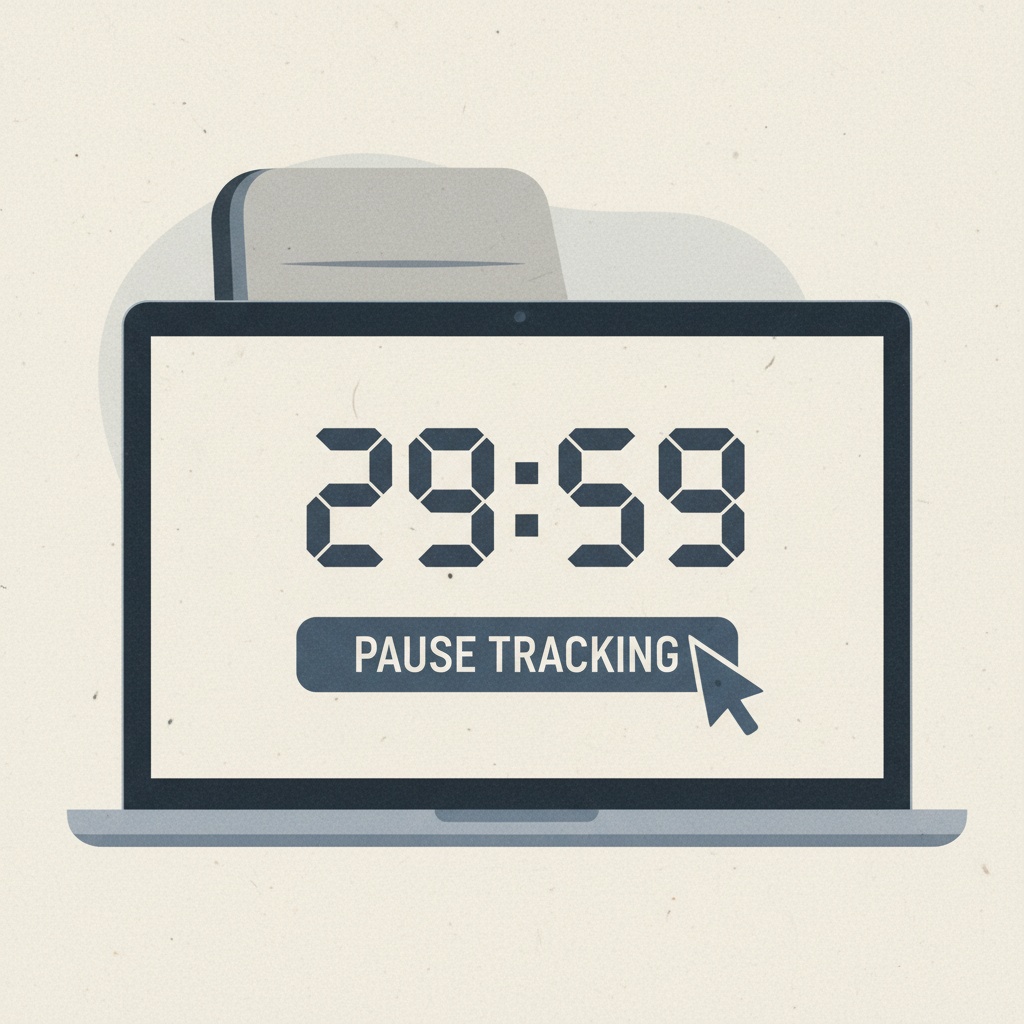
The company's new tracking pause button tacitly admits that everything else it collects is surveillance, not security.
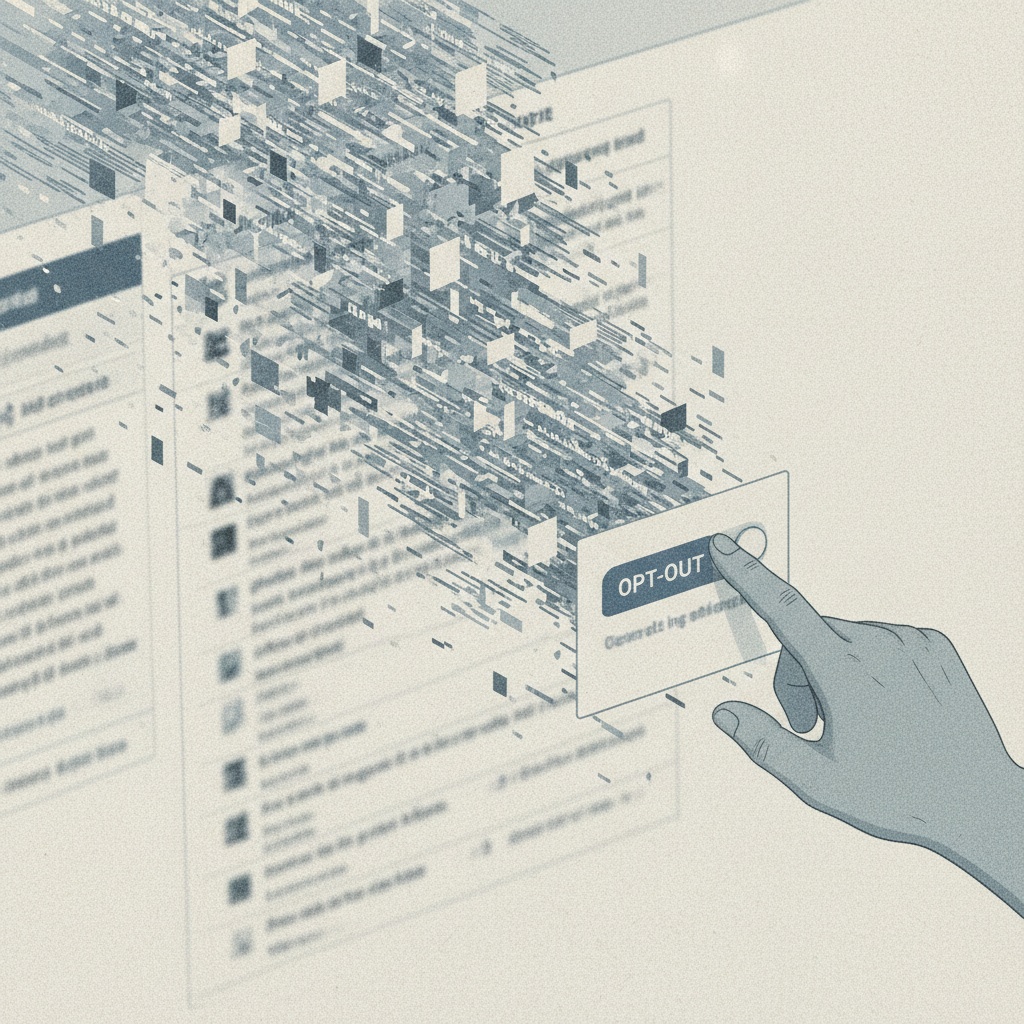
The Gmail exodus isn't about AI or privacy. It's what happens when a product team stops asking what users want and starts asking what the engagement metrics will bear.