On Monday, June 8, 2026, Apple’s Apple Intelligence landing page sat quietly at the same URL it has occupied for nearly two years. There was no press release, no executive quote, no “one more thing.” The Hacker News front page still bubbled with debate over Siri’s AI capabilities — 571 points’ worth — but the conversation had drifted from anticipation to something more subdued: inventory-taking.
We are now roughly eighteen months into the great Siri overhaul. The semantic indexing, the on-screen awareness, the cross-app chaining — it all shipped. The Apple faithful who lined up for the iPhone 17 last fall have been living with the new Siri longer than most marriages survive their first year. And the verdict accumulating in forums and group chats is not outrage. It’s not delight. It’s a shrug.
That shrug is more dangerous to Apple than any backlash.
The Thing Apple Built vs. The Thing People Wanted
Apple Intelligence was, by any engineering measure, an extraordinary achievement. A 3-billion-parameter on-device model, running inference in under 200 milliseconds, respecting privacy constraints that would make a GDPR compliance officer weep with joy. The company spent a reported $1.2 billion on training infrastructure alone. The technical white papers are gorgeous.
And yet.
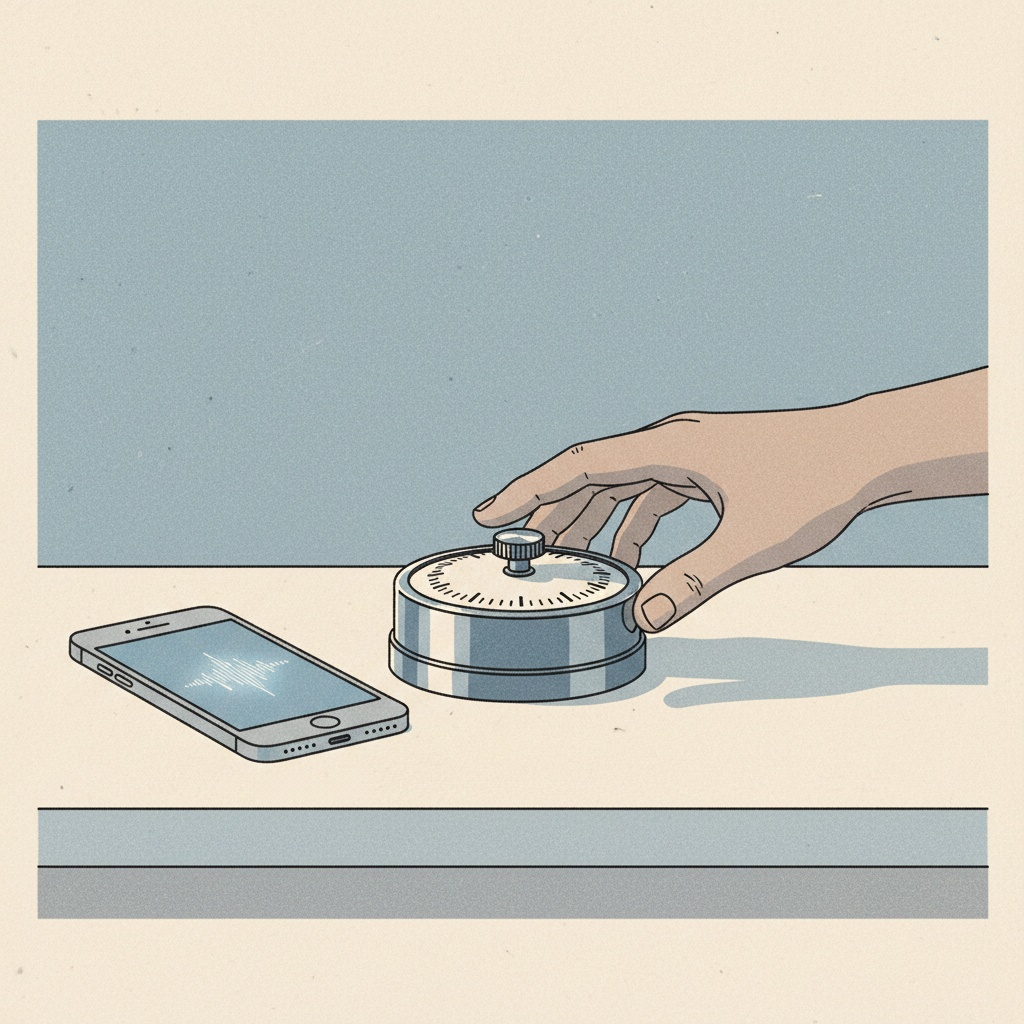
Ask the average iPhone owner — the person in the checkout line, not the person in the Cupertino demo — what they wanted Siri to do better, and the answers have barely changed since 2018. Set a timer that doesn’t silently fail. Understand “call mom” on the first try. Stop responding to “Hey Siri” when nobody said it. The stuff that qualifies as table stakes.
What Apple delivered instead was a Siri that can summarize your group chat into three bullet points and draft an email from a screenshot of a PDF. Useful? Occasionally. The thing they were actually asked to fix? Still intermittent.
“I can now ask Siri to find a photo from my niece’s birthday using natural language,” said one small-business owner in suburban Phoenix, scrolling through settings to disable yet another Apple Intelligence feature that had auto-enabled itself. “But it still can’t play the right podcast when I’m driving. I don’t need a reasoning engine. I need a competent assistant.”
The Assistant Paradox
There is a pattern here that extends well beyond Apple. The AI industry keeps building reasoning engines and marketing them as assistants. The reasoning is genuine — the models do impressive cognitive work. But the assistant part, the part that requires reliability, predictability, and a tight integration with the user’s actual workflow, remains stubbornly mediocre.
Amazon’s Alexa overhaul faced the same mismatch. Google’s Gemini integration into Android got faster but also more assertive — users complained it was answering questions nobody asked while ignoring the ones they did. Across the board, the pitch was “your assistant now thinks.” The experience was “your assistant now editorializes.”
An engineer who worked on voice-assistant infrastructure at a major tech firm — now at a smaller startup, and speaking candidly in a Slack DM — put it this way: “The problem isn’t model capability. The problem is that nobody inside these companies uses the product the way normals do. The demo path is pristine. The real-world path is a mess of Bluetooth interference, ambiguous accents, and background noise. The gap between demo and reality has never been wider.”
That gap matters because it erodes trust in a category of interaction. If Siri gets your calendar query right 85% of the time, you learn not to trust it for calendar queries. The fact that it can now also generate a sonnet about your calendar is not the win Apple thinks it is.
What Gets Measured
Apple’s internal metrics, according to a Bloomberg report from May, show that daily active usage of Siri increased 22% year-over-year after the Apple Intelligence rollout. That sounds impressive until you realize the baseline was a product most users had trained themselves to ignore. A meaningful number of those “daily active” interactions are probably people accidentally triggering Siri and then swearing at it.
The harder metric to measure — and the one Apple’s leadership seems unwilling to confront — is trust. Do users believe the assistant will do the thing they asked? Not “can it do something clever with my request,” but “will the timer actually go off?”
Reliability is the least glamorous feature in any product manager’s backlog. It doesn’t demo well. It doesn’t generate keynote applause. But it is the foundation on which every flashy AI feature eventually rests. Without it, the reasoning engine is just an expensive party trick bolted onto a tool that still can’t reliably set an alarm.
Apple built a marvel. It might have been better off building something boring.